Regional Tree Ordinances
by Admin
Posted on 22-12-2025 07:13 PM
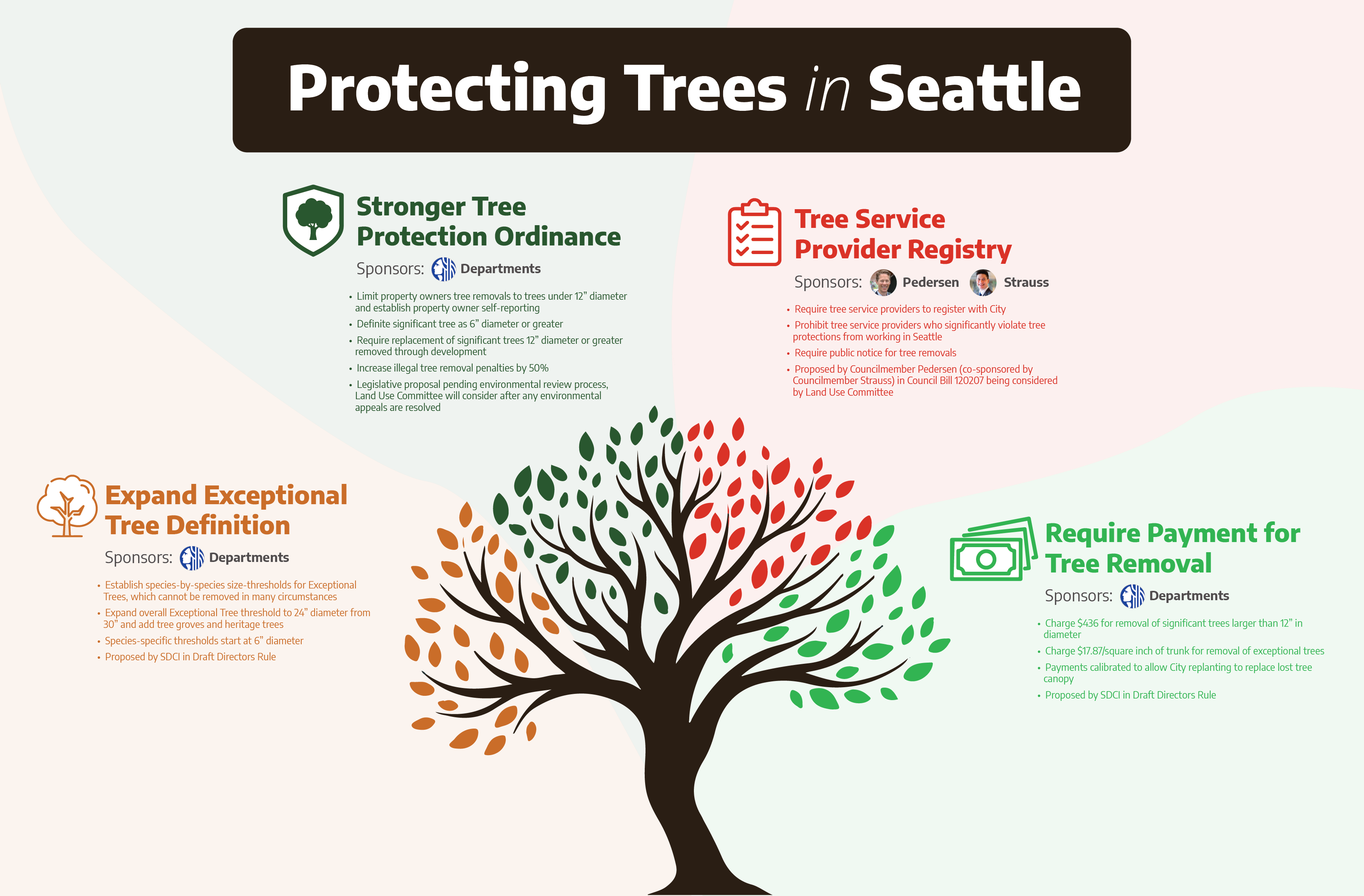
The Purpose and Importance of Tree Ordinances
Regional tree ordinances exist primarily to balance development needs with the preservation of essential tree canopy. Unchecked development often leads to widespread tree removal, resulting in habitat loss, increased stormwater runoff, higher temperatures due to the urban heat island effect, and diminished aesthetic appeal. These regulations provide a legal framework to mitigate these negative impacts. They aim to maintain a healthy urban forest, which contributes significantly to community well-being, environmental health, and economic vitality. By setting standards for tree protection, removal, replacement, and planting, ordinances ensure that trees are considered integral parts of the landscape, not disposable obstacles to progress. They represent a community's commitment to preserving its natural heritage for future generations.
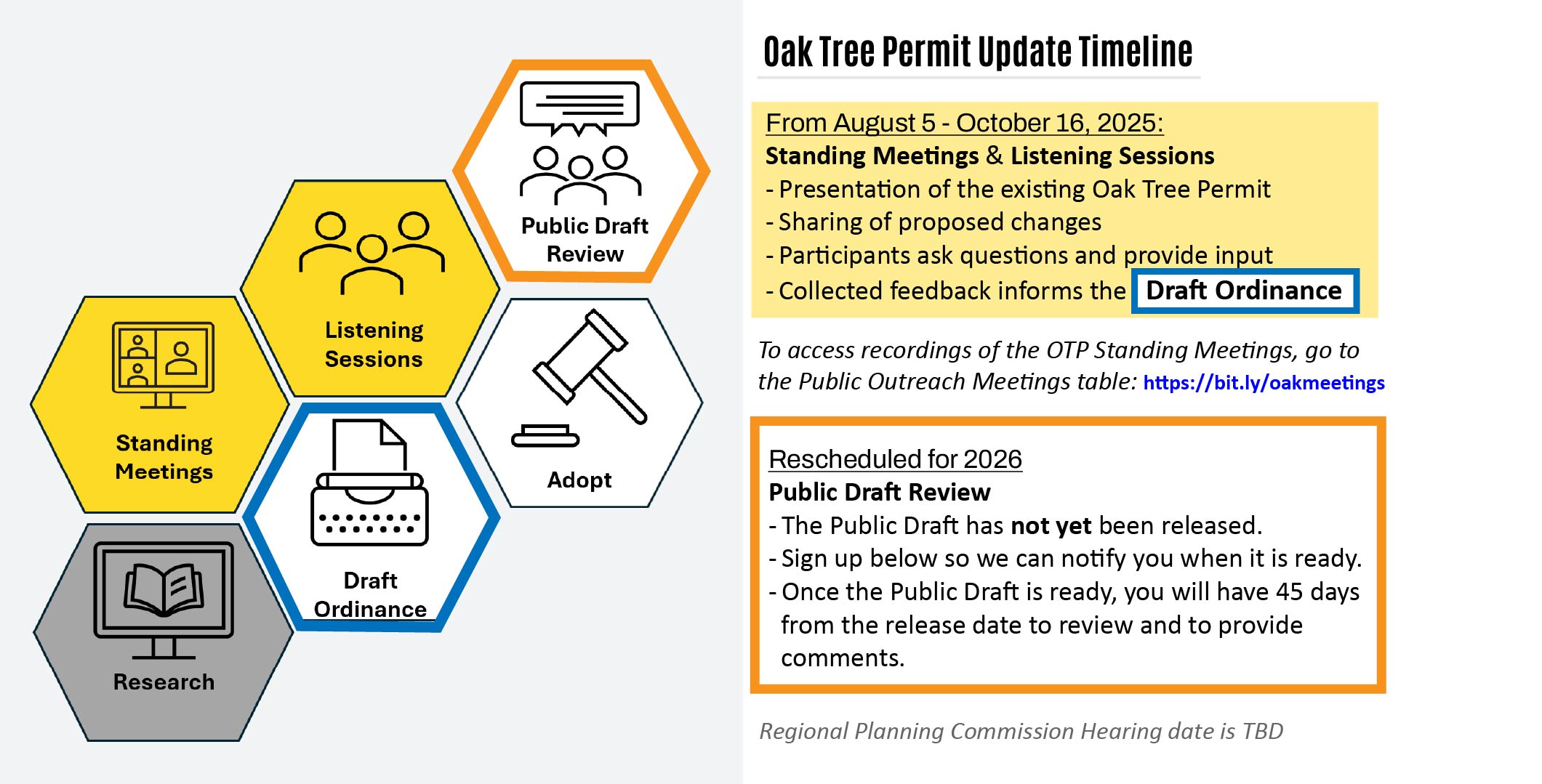
Key Components of Tree Ordinances
While specific details differ, most regional tree ordinances share several common elements designed to achieve their conservation goals. Understanding these core components provides a solid foundation for compliance.
Protected Tree Specifications
A fundamental aspect of any tree ordinance is defining which trees are protected. Typically, this is based on species and size thresholds. Ordinances often list "protected" or "heritage" species valued for their ecological or historical significance. Size is another critical factor, usually measured by Diameter at Breast Height (DBH). Common thresholds require permits to remove trees exceeding a certain DBH, such as 6 inches, 8 inches, or 12 inches, depending on the local regulation. Some ordinances also protect unique trees, such as those with historical significance or exceptional form, regardless of species or size.
Permit Requirements and Removal Restrictions
Tree ordinances generally require a permit for the removal of protected trees. The permit application process usually involves submitting a detailed site plan showing the location and size of trees proposed for removal, along with justification for the removal. Ordinances often specify valid reasons for removal, such as a tree being dead, diseased, hazardous, or causing unavoidable structural damage. Removing a protected tree without a permit can result in significant fines and requirements for replacement. Some ordinances impose moratoriums on tree removal during certain seasons to protect nesting birds or minimize environmental stress.
Replacement and Mitigation Standards
To prevent net loss of tree canopy, ordinances mandate replacement when protected trees are removed. Replacement standards typically require planting new trees based on a formula, often tied to the size (DBH) or the number of trees removed. For example, an ordinance might require planting one new inch of caliper for every inch removed above the protected size threshold. Mitigation fees are another common tool; if on-site replacement isn't feasible, property owners may pay into a dedicated tree fund used for planting trees elsewhere in the community, such as parks or public rights-of-way.
Implementation and Enforcement Challenges
Effective implementation and enforcement are crucial for the success of any tree ordinance. Municipalities face several challenges in this regard. Staffing and resources are often limited, making it difficult to conduct thorough site inspections and monitor compliance across large jurisdictions. Enforcement actions can become contentious, requiring significant time and legal resources, especially when property owners contest violations or fines. Balancing the rights of private property owners with the broader public interest in tree protection is a persistent challenge, often leading to political pressure and amendments to the regulations. Furthermore, inconsistencies in application or perceived unfairness can erode public support, making voluntary compliance harder to achieve.
The Multifaceted Benefits of Strong Ordinances
Well-crafted and effectively enforced tree ordinances deliver substantial benefits that extend far beyond individual properties. Environmentally, they help maintain biodiversity, reduce air pollution, sequester carbon, manage stormwater runoff, and combat the urban heat island effect. Economically, mature trees significantly increase property values and attract businesses and residents, enhancing community appeal. Studies consistently show that tree-lined streets and well-treed neighborhoods command higher market values. Socially, trees improve mental and physical health, encourage outdoor activity, foster community pride, and create more livable, attractive spaces. Investing in tree protection through ordinances is an investment in the overall health, resilience, and prosperity of a region.
Community Involvement and Education
The success of regional tree ordinances hinges significantly on community understanding and support. Proactive education is essential. Municipalities should provide clear, accessible information about ordinance requirements, permit processes, and the benefits of trees through websites, workshops, brochures, and outreach programs. Engaging community stakeholders, including homeowners, developers, arborists, and environmental groups, in the development and periodic review of ordinances fosters a sense of ownership and ensures regulations are practical and effective. Volunteer tree planting initiatives, citizen science programs monitoring tree health, and recognition programs for outstanding tree stewardship can further build community engagement and appreciation for the urban forest.
Navigating Compliance: Practical Steps
For property owners and developers, understanding and complying with local tree ordinances is crucial to avoid delays, fines, and project setbacks. The first step is always to contact the local planning, public works, or forestry department to obtain the current ordinance and any relevant guidance documents. Before planning any construction or landscaping that might impact trees, conduct a thorough site assessment, ideally with a certified arborist, to identify protected trees and evaluate their health. If removal is necessary, initiate the permit process early, providing all required documentation and justification. Work with officials to explore alternatives to removal, such as root zone protection during construction or strategic design modifications. When replacement is required, adhere strictly to the specified species, size, and planting location standards to ensure compliance and the long-term survival of the new trees.
FAQs
What is the main goal of a regional tree ordinance?
The primary goal is to balance development with the preservation of community tree canopy, ensuring environmental health, economic benefits, and quality of life.
Do I need a permit to remove a tree on my private property?
It depends on the tree's size, species, and health as defined by your local ordinance. Protected trees typically require a permit for removal.
What happens if I remove a protected tree without a permit?
Consequences usually include significant fines and mandatory mitigation, such as planting replacement trees or paying fees into a tree fund.
Are there any exemptions to tree removal permits?
Common exemptions include trees that are dead, diseased beyond recovery, posing an imminent hazard, or causing unavoidable structural damage to a primary structure. Documentation is often required.
Can an ordinance require me to plant trees on my property?
Yes, most ordinances mandate tree replacement when protected trees are removed, either on-site or through mitigation fees for off-site planting.
Where can I find the specific tree ordinance for my area?
Contact your local city or county planning department, public works department, or urban forestry office. Ordinances are usually available on the municipality's official website.