Organic Tree Maintenance
by Admin
Posted on 22-12-2025 07:13 PM
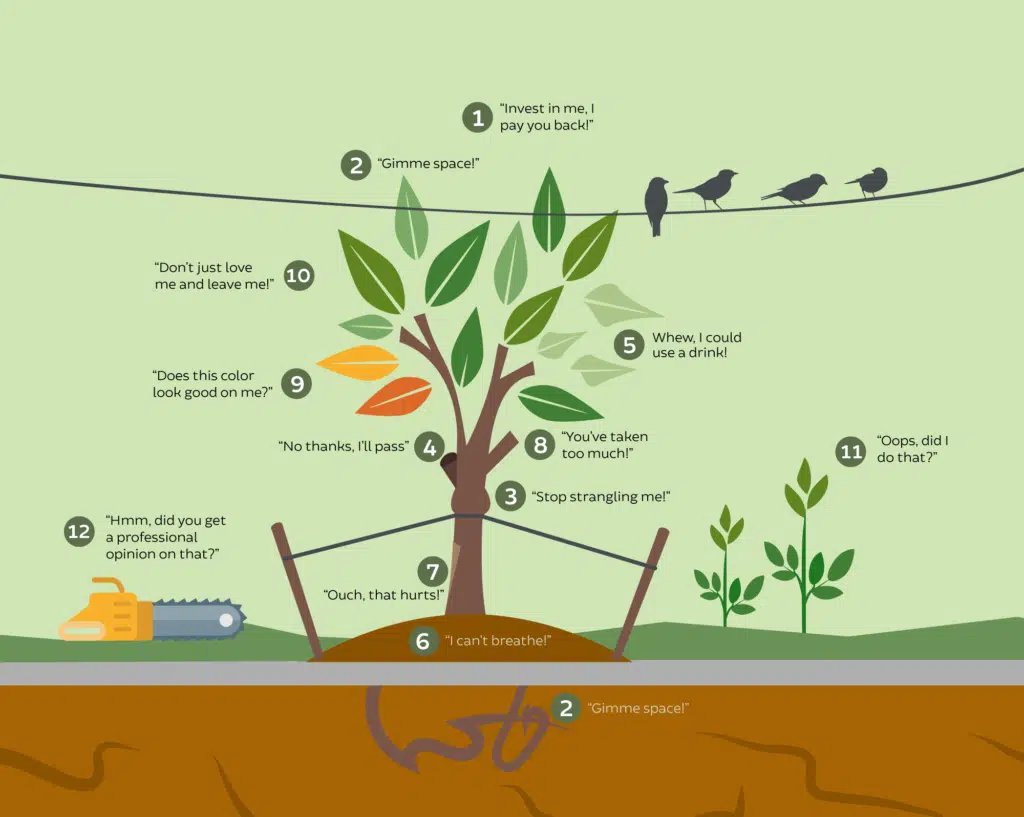
Understanding Organic Tree Care
The Philosophy Behind Organic Tree Maintenance
Organic tree maintenance is rooted in the principle that healthy trees growing in balanced ecosystems have natural defenses against pests and diseases. Instead of reaching for chemical solutions at the first sign of trouble, organic practitioners focus on creating optimal growing conditions that allow trees to utilize their innate strength and resilience.
Benefits of Going Organic
The advantages of organic tree care extend beyond individual tree health. By eliminating synthetic pesticides and fertilizers, we protect beneficial insects, soil microorganisms, and water quality. Organic methods also create safer spaces for children, pets, and wildlife while building long-term soil health that supports tree vitality for years to come.
Soil Health and Organic Amendments
Composting for Trees
Healthy soil is the foundation of organic tree care. Applying quality compost around the base of trees provides essential nutrients while improving soil structure and moisture retention. Compost introduces beneficial microorganisms that form symbiotic relationships with tree roots, enhancing nutrient uptake and natural disease resistance.
Natural Fertilizers
When additional nutrients are needed, organic options like well-aged manure, bone meal, seaweed extract, and rock phosphate offer balanced nutrition without the harsh effects of synthetic fertilizers. These natural amendments release nutrients slowly, matching the tree's natural growth cycles and reducing the risk of nutrient runoff.
Organic Pest Management
Identifying Common Tree Pests
The first step in organic pest control is proper identification. Many beneficial insects are mistaken for pests, so learning to distinguish friend from foe is crucial. Regular monitoring helps catch potential issues early when organic interventions are most effective.
Natural Pest Control Methods
Organic pest management includes introducing beneficial insects, using horticultural oils and insecticidal soaps, applying neem oil, and encouraging natural predators. Physical barriers like tree wraps and traps can also help manage specific pest problems without chemicals.
Pruning Techniques for Healthy Trees
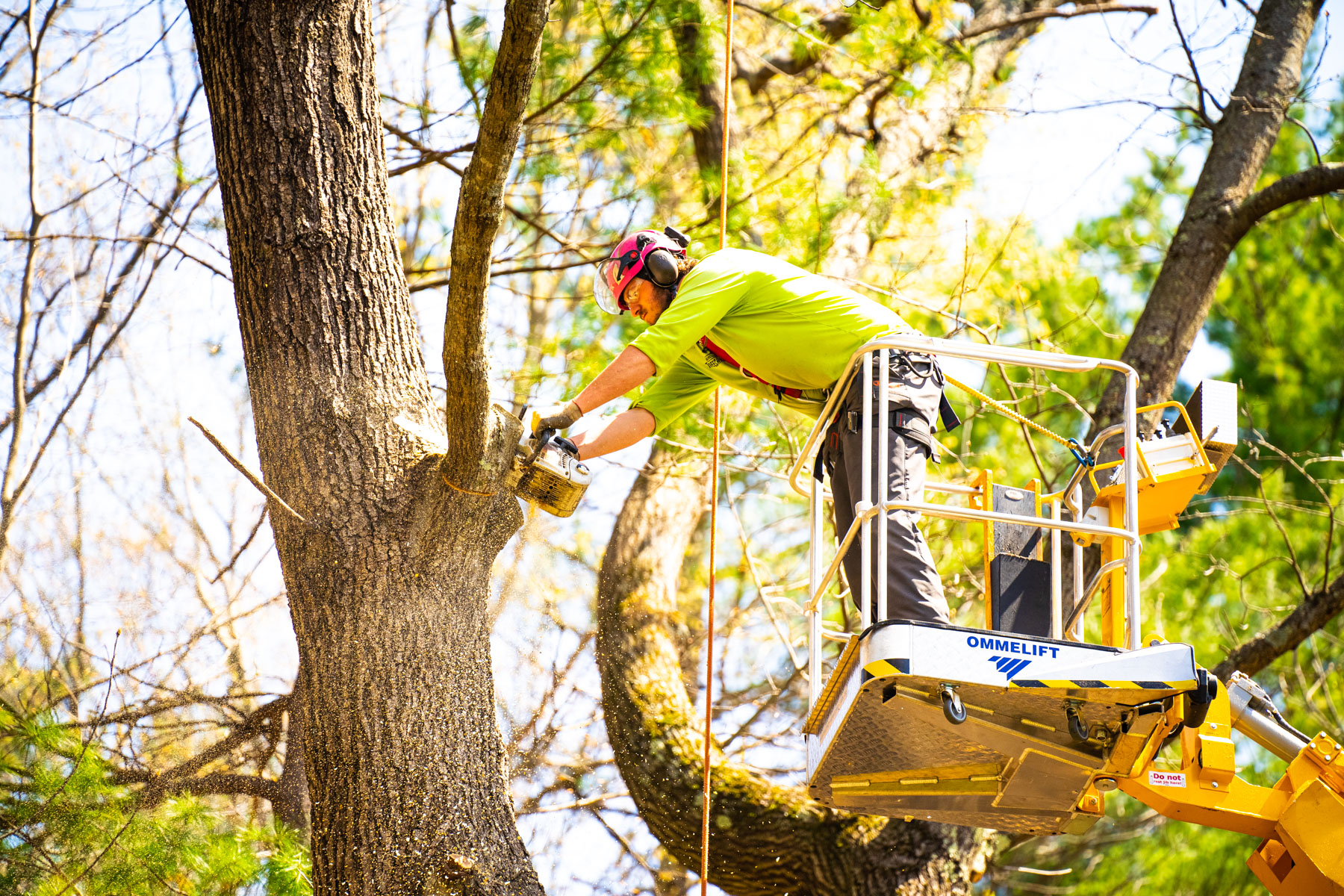
Proper pruning is essential in organic tree maintenance. Strategic removal of dead, diseased, or crossing branches improves air circulation and sunlight penetration, reducing disease pressure. Organic pruning emphasizes minimizing wounds and making clean cuts that heal naturally, without the use of petroleum-based wound sealants.
Watering Practices for Organic Tree Care
Deep, infrequent watering encourages strong root growth and drought tolerance. Organic tree care favors rainwater harvesting and proper mulching to conserve moisture. Mulching with organic materials like wood chips or shredded leaves not only retains water but also breaks down slowly, feeding the soil and tree roots. Learn more about proper tree care techniques at https://arboristatlas.com/.
Seasonal Considerations in Organic Tree Maintenance
Each season brings different requirements for organic tree care. Spring focuses on soil preparation and preventive measures, summer emphasizes proper watering and pest monitoring, fall is ideal for planting and root development, and winter is perfect for structural pruning when trees are dormant.
Frequently Asked Questions
How often should I apply organic fertilizers to my trees?
Most trees benefit from organic fertilizer applications in early spring and fall, following soil test recommendations.
Are organic pest control methods as effective as chemical ones?
Yes, when applied correctly and preventively, organic methods can be equally effective while supporting ecosystem health.
Can I convert my conventional tree care to organic practices mid-season?
Absolutely, though transitioning gradually often yields the best results as the tree and surrounding ecosystem adjust.
What are the signs that my trees need organic soil amendments?
Yellowing leaves, stunted growth, and poor overall vigor may indicate nutrient deficiencies that organic amendments can address.
How long does it take to see results from organic tree care?
Some improvements are visible within weeks, but building soil health and tree resilience typically requires a full growing season or more.
Can organic tree maintenance save money compared to conventional methods?
Over time, organic methods often reduce costs by decreasing the need for expensive chemical treatments and creating self-sustaining tree health.