Tree Care Without Chemicals
by Admin
Posted on 22-12-2025 07:13 PM
Prioritizing Prevention: The Foundation of Health
The cornerstone of chemical-free tree care is proactive prevention. Healthy trees possess remarkable natural defenses against pests and diseases. Focus your energy on creating optimal growing conditions from the start.
Right Tree, Right Place
Planting a tree suited to your specific climate, soil type, sunlight availability, and available space is paramount. A tree struggling to adapt to unsuitable conditions is inherently stressed and far more vulnerable to problems. Research mature sizes and environmental preferences before planting.
Proper Planting Technique
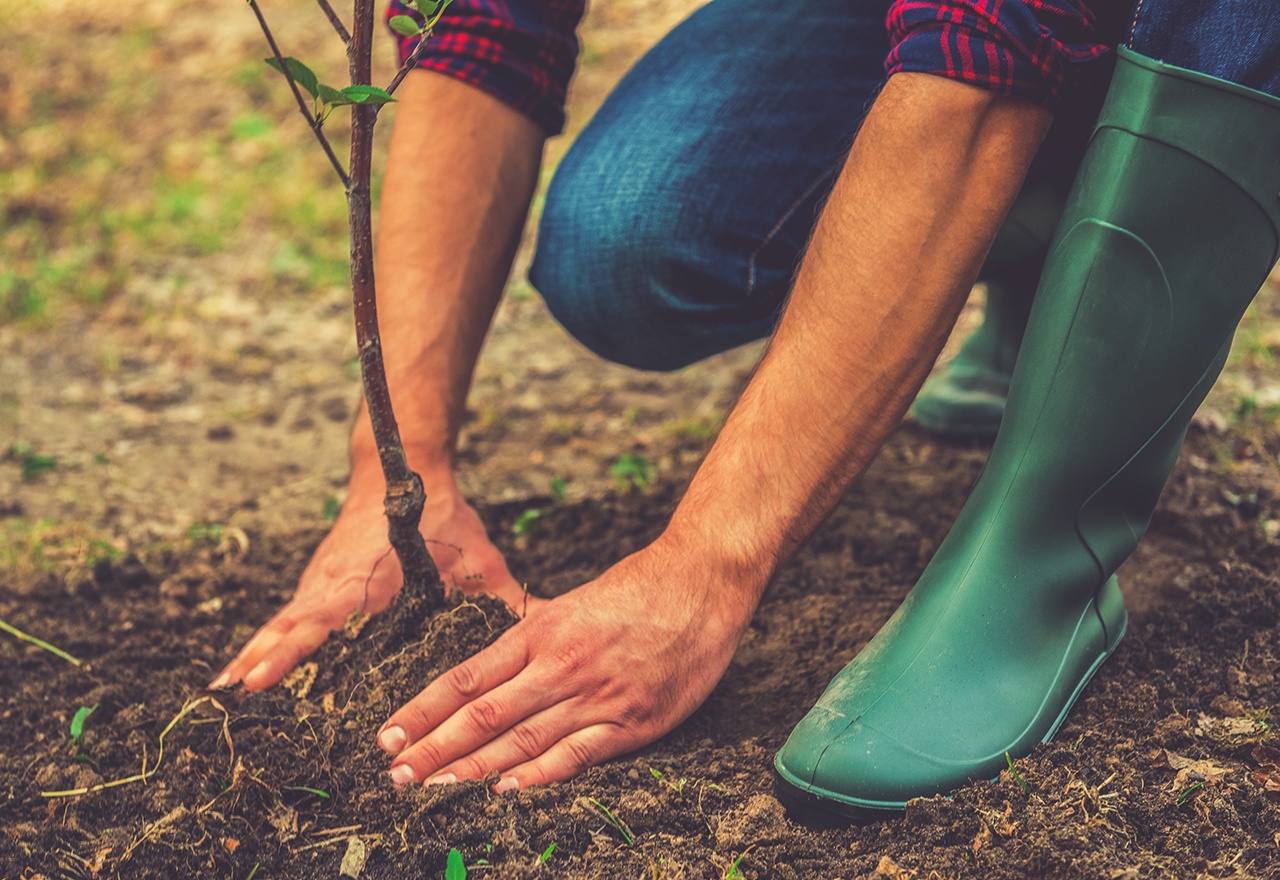
How you plant a tree sets the stage for its entire life. Dig a wide, shallow hole (2-3 times the root ball's width, no deeper than the root ball's height), gently tease out circling roots, position the root flare slightly above ground level, backfill with native soil, and water deeply. Avoid amending the backfill soil excessively, as this can discourage roots from expanding into the native soil.
Thoughtful Watering Practices
Established trees generally need deep, infrequent watering rather than frequent shallow sprinklings. This encourages deep root growth, making trees more drought-resistant and stable. Water slowly and deeply at the drip line during dry periods, allowing the soil to dry out somewhat between waterings. Newly planted trees require more consistent moisture for the first couple of years.
Building Soil Health: The Tree's Underground Ally
Vibrant, living soil is the engine of tree health. Synthetic chemicals often sterilize soil, disrupting the complex ecosystem that feeds and protects tree roots. Chemical-free care focuses on nourishing this underground world.
The Magic of Mulch
Applying a 2-4 inch layer of organic mulch (like wood chips, shredded bark, or compost) around the base of the tree (keeping it a few inches away from the trunk) is one of the best things you can do. Mulch conserves soil moisture, moderates soil temperature, suppresses weeds (reducing competition), and slowly decomposes, adding vital organic matter and nutrients back into the soil. Replenish mulch annually as it breaks down.
Compost: Nature's Fertilizer
Instead of synthetic fertilizers, use high-quality compost. Spread a thin layer (1/2 to 1 inch) of compost over the root zone (extending well beyond the drip line) in spring or fall. Compost improves soil structure, enhances water retention, provides a slow-release source of balanced nutrients, and teems with beneficial microorganisms that support root health and nutrient uptake.
Minimizing Soil Disturbance
Avoid excessive digging or tilling around tree roots. This damages the delicate feeder roots and disrupts the soil structure and microbial communities essential for tree health. Designate a protected root zone, especially for mature trees.
Natural Pest and Disease Management
When faced with pests or diseases, chemical-free solutions focus on encouraging natural predators, using physical barriers, and applying minimal, targeted natural interventions only when necessary.
Encouraging Beneficial Insects
Plant a diversity of flowering plants (especially native species) near your trees to attract predatory insects like ladybugs, lacewings, parasitic wasps, and spiders that feast on common tree pests like aphids, mites, and scale. Avoid broad-spectrum pesticides, which kill these beneficial allies.
Physical Barriers and Removal
For manageable issues, physical methods work well. Prune out and destroy diseased branches (cleaning tools between cuts). Use strong jets of water to dislodge aphids or mites. Hand-pick larger pests like caterpillars or beetles. Wrap tree trunks with hardware cloth or burlap to prevent damage from rodents or rabbits in winter.
Targeted Natural Sprays
If intervention is needed, choose the least toxic option first. Insecticidal soap or horticultural oil (dormant or summer weight) can effectively control soft-bodied insects like aphids, scale, and mites with minimal impact on beneficials when applied correctly. Neem oil, derived from the neem tree, acts as a repellent and disrupts pest life cycles. Bt (Bacillus thuringiensis) is a naturally occurring bacterium specific to caterpillar pests. Always follow label instructions precisely and spray only affected areas, ideally in the early morning or evening to avoid harming pollinators.
Pruning for Vigor and Structure
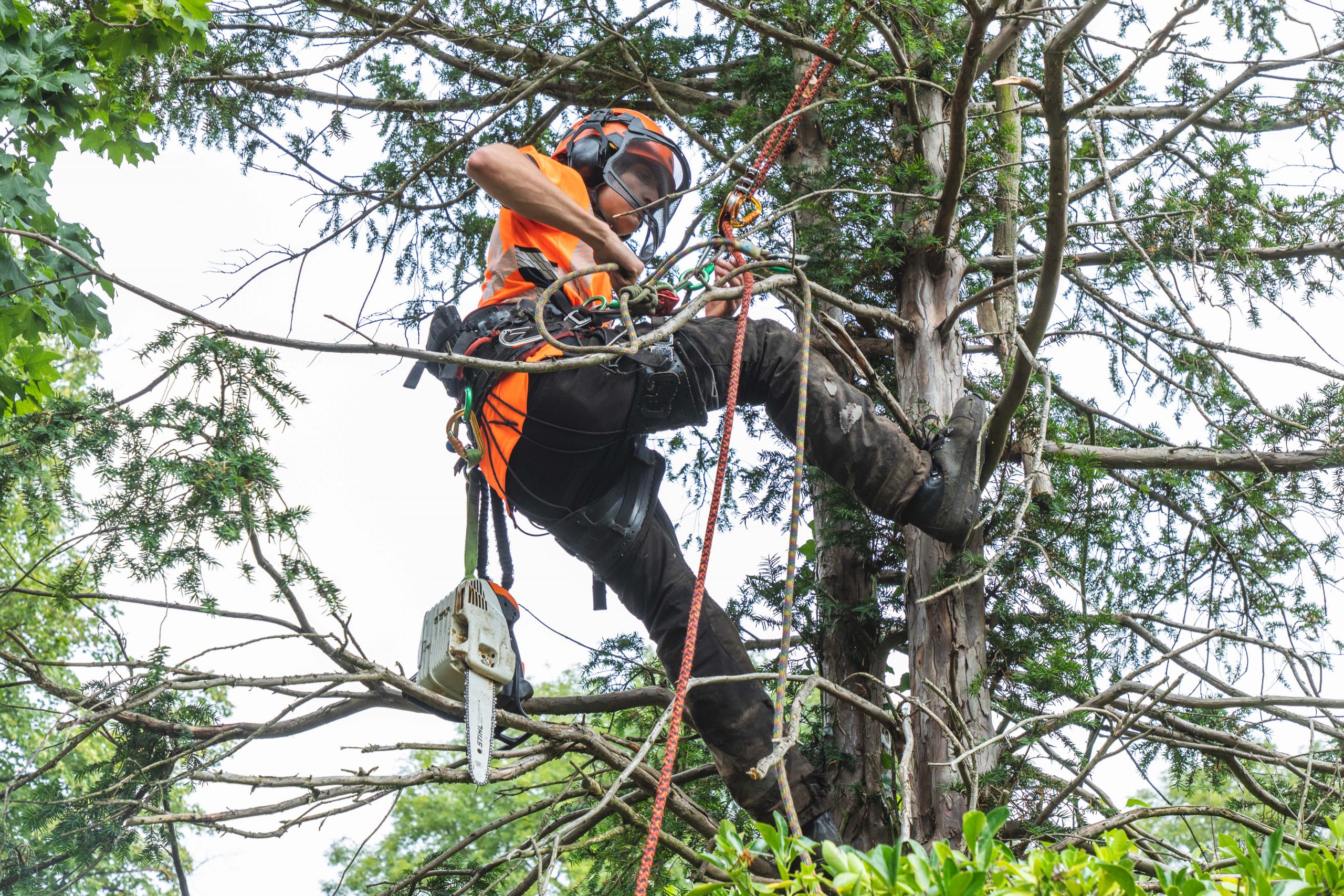
Pruning is essential for tree health, safety, and aesthetics, but it must be done correctly. Improper pruning creates large wounds that are entry points for disease and pests, potentially leading to the use of chemical treatments to save the tree.
Prune with Purpose
Always have a clear objective: remove dead, diseased, damaged, or crossing/rubbing branches; improve structure for strength; or increase light/air penetration. Avoid "topping" or excessive pruning, which causes severe stress and weak, problematic regrowth.
Use Proper Technique
Make clean cuts just outside the branch collar (the swollen area where the branch joins the trunk or a larger branch). Do not leave stubs or cut flush with the trunk. Use sharp, clean tools. For larger branches, use the three-cut method to prevent tearing bark. Sterilize tools between trees, especially when dealing with known diseases.
Timing Matters
The best time for most structural pruning is during the dormant season (late winter/early spring) when trees are less stressed and diseases are less active. However, remove dead, diseased, or hazardous branches as soon as they are noticed, regardless of the season.
If you're in need of professional tree care services, you can https://arboristatlas.com/blog/arborist-insights/find-local-arborists-easily through our comprehensive directory. The following video provides additional insights into proper tree maintenance and care practices.
Vigilance and Patience: The Organic Gardener's Tools
Chemical-free tree care requires observation and a long-term perspective. Trees are long-lived organisms; building their natural resilience takes time.
Regular Monitoring
Walk around your trees regularly. Look closely at leaves (top and underside), branches, bark, and the base of the tree. Early detection of problems whether it's discoloration, unusual growths, insect activity, or signs of stress allows for prompt, often less invasive, action.
Understand the Ecosystem
Recognize that not every insect is a pest. Some leaf damage or the presence of insects is normal and part of a healthy ecosystem. Tolerance for minor imperfections is key. Only intervene when damage is significant and threatens the tree's overall health.
Embrace Patience
Natural methods may work more slowly than chemical quick fixes. Building soil health, establishing beneficial insect populations, and allowing a tree to recover from stress using its own defenses takes consistent effort and time. The reward is a genuinely healthy, self-reliant tree and a healthier environment.
FAQs
What are the biggest benefits of chemical-free tree care?
The primary benefits include protecting soil health and biodiversity, preventing water contamination, safeguarding beneficial insects and wildlife, promoting long-term tree resilience, and creating a safer environment for people and pets.
Is organic tree care more expensive?
Initially, some inputs like quality compost or mulch might have costs, but long-term expenses are often lower. Healthy trees require fewer interventions, and you avoid recurring costs for chemical fertilizers and pesticides. Many practices, like composting kitchen scraps or using fallen leaves as mulch, are free.
How do I handle severe pest outbreaks naturally?
Start with the least harmful method: strong water sprays, hand-picking, or insecticidal soap/oil. Introduce or attract beneficial insects. For severe outbreaks, targeted applications of Bt (for caterpillars) or neem oil can be effective. Accept that some damage might occur while natural controls establish.
Can I use any type of mulch?
Preferably use organic, woody mulches like arborist wood chips, shredded bark, or pine straw. Avoid dyed mulches or those made from treated wood. Gravel or rubber mulch doesn't provide the same soil-building benefits as organic materials.
How often should I apply compost?
Applying a thin layer (1/2 to 1 inch) of compost once a year, typically in spring or fall, is generally sufficient for established trees. Focus on the area within the drip line and extending several feet beyond. Don't pile it against the trunk.
Will my trees be as healthy without chemical fertilizers?
Yes, when cared for properly. Healthy soil enriched with compost and mulch provides a slow, balanced release of nutrients trees need. Chemical fertilizers often provide a quick, unbalanced nutrient surge that can harm soil life and lead to weak growth, making trees more susceptible to pests and diseases.